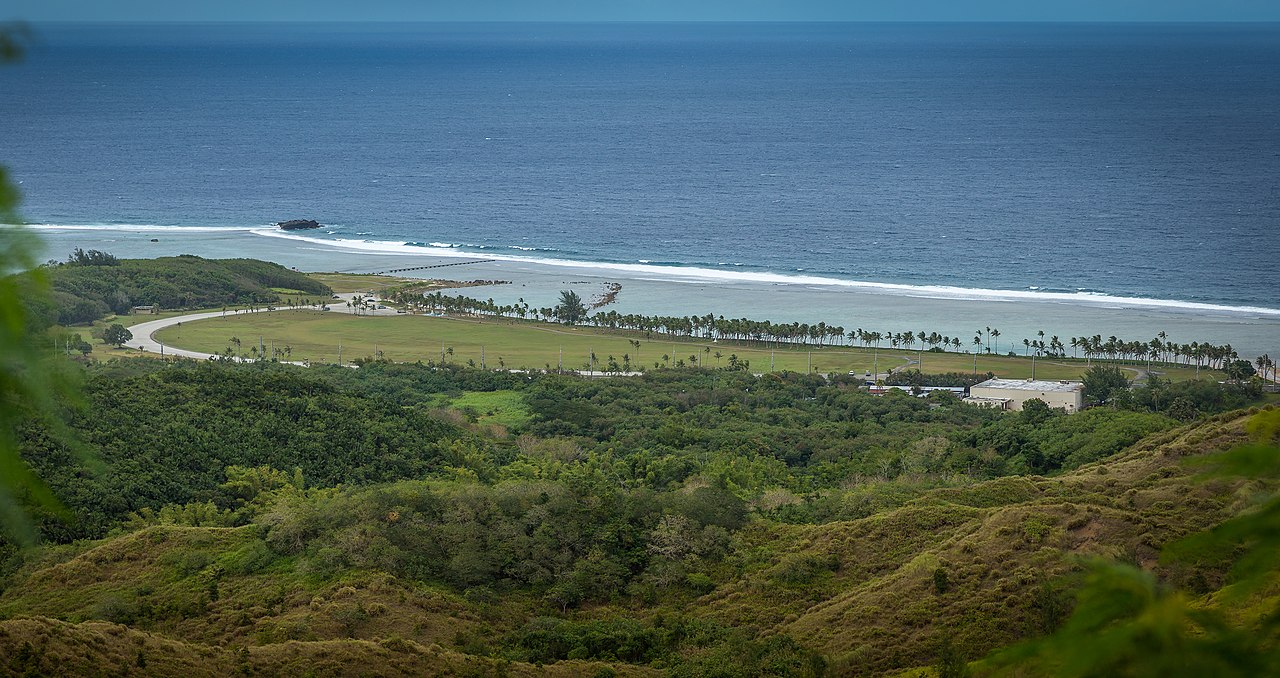
The echoes of history reverberate powerfully across the Pacific, nowhere more profoundly than within the hallowed grounds of the War In The Pacific National Park on the U.S. territory of Guam. Established in 1978, this multi-unit protected area stands as a unique testament to the bravery and immense sacrifices made during the Pacific Theater of World War II. Unlike many war memorials that focus on a singular perspective, this park holds a distinctive place within the National Park System for honoring all who participated in — and were profoundly affected by — the devastating conflict.
Guam's story during WWII is particularly poignant. A U.S. territory, it suffered occupation by Japanese forces in 1941, enduring four brutal years before its liberation by American forces in 1944. The War In The Pacific National Park serves not merely as a collection of historical sites but as a living classroom, preserving battlefields, gun emplacements, trenches, caves, and historic structures that bear witness to the profound human cost of global conflict. It's a place where visitors can connect directly with the past, understanding the incredible challenges faced by soldiers and civilians alike.
Guam's Unforgettable Ordeal: A Story of Occupation and Liberation
For the indigenous Chamorro people of Guam, the war arrived early and stayed late. Just hours after the surprise attack on Pearl Harbor on December 7, 1941 (December 8th on Guam, due to the International Date Line), Japanese forces bombed the island. Within two days, Guam was invaded, marking the beginning of a brutal four-year occupation. This period was one of unimaginable hardship for the Chamorros, who, like countless other indigenous populations caught in the crossfire, endured the destruction of their homes and livelihoods, forced labor, imprisonment, and summary executions. The island was renamed Omiyajima by the Japanese, further underscoring the shift in governance and identity.
The park powerfully commemorates this harrowing period. Imagine the fear and resilience of a people whose homeland became a battlefield, thousands of miles away from the primary warring nations. The War In The Pacific National Park ensures that the Chamorro experience of resistance and survival is never forgotten. On July 21, 1944, American forces returned to retake the island, initiating fierce battles that ultimately led to Guam's liberation. This turning point brought an end to the occupation but left an indelible mark on the landscape and the collective memory of its people.
To truly grasp the depth of this history, visitors are encouraged to delve into the personal stories and timelines available at the park, offering a window into a period of extreme duress and ultimate triumph. Guam's WWII Story: Reliving History at War in the Pacific Park provides further insights into these compelling narratives.
Exploring the Hallowed Grounds: Key Park Units and Historic Sites
The War In The Pacific National Park is not a single location but a series of scattered units across Guam, each preserving a critical piece of the Pacific Theater narrative. This geographical spread offers a comprehensive view of the island's strategic importance and the intense fighting that took place.
Your journey often begins at the T. Stell Newman Visitor Center, conveniently located in Santa Rita, just outside the main gate of Naval Base Guam. This modern facility serves as an excellent starting point, offering exhibits, films, and maps to help orient visitors. A particularly striking display at the center's front is the Ha. 62-76 Japanese Midget Attack Submarine, an NRHP-listed item that tells a fascinating tale of wartime ingenuity and daring. While the visitor center provides an essential overview, the park headquarters is situated in Hagåtña, the capital of Guam.
The park units predominantly encompass areas significant to the American invasions on either side of the Orote Peninsula in 1944. These battle-scarred landscapes offer tangible connections to the past:
- Northern Invasion Beach Units: These four distinct units cover land, surface, and subsurface assets stretching from Adelup Point in Hagåtña to Asan Point and the surrounding waters in Asan. The Asan Invasion Beach itself is an NRHP-listed asset, dotted with numerous pillboxes, caves, and tunnels — silent witnesses to fierce combat.
- Liberator's Memorial: Located within the Asan unit, this powerful memorial was erected on the 50th anniversary of Guam's liberation, serving as a poignant tribute to those who fought to free the island.
- Apolinario Mabini Monuments: Two monuments honor Apolinario Mabini, a key figure in Philippine history, signifying the broader Pacific connections and shared struggles during the era.
Practical Tip for Visitors: When exploring these sites, wear comfortable walking shoes, bring plenty of water, and consider bug spray, especially during humid months. Many locations involve walking over uneven terrain or through dense vegetation. Always remember to treat these sites with the utmost respect; they are historical memorials, not playgrounds. Guided tours, often available through the visitor center or local operators, can significantly enhance your understanding of the historical context of each location.
A Legacy of Remembrance and Education
The War In The Pacific National Park transcends its role as a mere collection of historical relics. It is a powerful educational institution, dedicated to preserving the memory of all those impacted by the conflict. The park conserves and interprets Guam's outstanding places, artifacts, history, and culture, ensuring that the stories of heroism, suffering, and resilience continue to be told. Though remnants of combat and occupation — artillery, earthworks, battlegrounds — slowly succumb to the elements and the passage of time, the park's mission ensures that the spirit, dignity, and bravery of those caught up in a world at war will endure.
The park's national significance was further highlighted in 2019 when it was featured on the Washington Quarter as part of the America the Beautiful Quarters Series. This recognition brings national attention to Guam's crucial role in WWII and the park's vital work in preserving this history for future generations. Visiting the park is an opportunity not just to see remnants of the past but to reflect on the broader lessons of conflict, peace, and the enduring human spirit. To learn more about specific sites and planning your visit, explore Explore Guam's Liberation: War in the Pacific National Park Sites.
Conclusion
The War In The Pacific National Park on Guam is more than just a historical park; it is a profound monument to human courage, sacrifice, and the enduring desire for freedom. By uniquely honoring the bravery of all who participated in the Pacific Theater, it offers a holistic and deeply moving perspective on one of history's most devastating conflicts. For anyone seeking to understand the true impact of World War II, particularly its harrowing effects on the Pacific islands and their inhabitants, a visit to this remarkable park is an essential journey. It stands as a timeless reminder that while the physical scars of war may fade, the stories, lessons, and the spirit of those who lived through it must forever be remembered and honored.