Guam's WWII Story: Reliving History at War in the Pacific National Park
Guam, a verdant jewel in the western Pacific, holds a profound and often somber history, serving as a poignant backdrop for one of World War II's most brutal chapters. For visitors today, the island is not just a tropical paradise but a living museum, thanks to the remarkable
War In The Pacific National Park. This multi-unit protected area stands as a solemn testament to the immense bravery and sacrifice of all who participated in, and were tragically affected by, the Pacific Theater of World War II. It offers a unique window into the devastating global conflict through the lens of those who endured it on this strategic island.
The Brutal Reality of War on Guam: Occupation and Liberation
The people of Guam, particularly the indigenous Chamorros, experienced the onset of World War II far earlier and far more intimately than many others. Just hours after the devastating surprise attack on Pearl Harbor on December 7, 1941 (December 8th on Guam due to the International Date Line), Japanese forces bombed the U.S. territory. Within two days, on December 10, 1941, Guam was invaded. This marked the beginning of a brutal four-year occupation that fundamentally reshaped the island and its inhabitants.
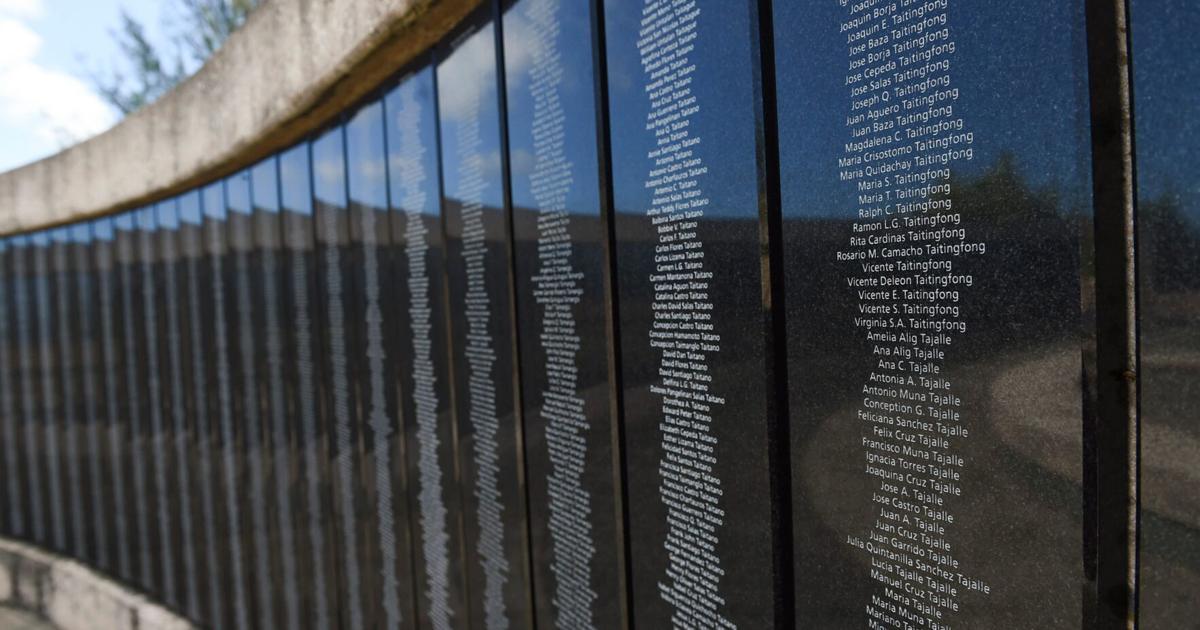
Under Japanese rule, Guam was renamed Omiyajima, and its people faced unimaginable hardships. Chamorros endured the destruction of their homes and livelihoods, forced labor under harsh conditions, imprisonment, and even summary executions. The scale of devastation and human suffering was immense, as battle raged not in distant lands, but on their very doorsteps and across their ancestral waters. This period of occupation etched an indelible mark on the island's collective memory, a story of resilience against overwhelming odds.
On July 21, 1944, American forces returned to reclaim Guam, initiating a fierce battle of liberation. The ensuing combat was intense, leaving behind a landscape scarred by trenches, gun emplacements, and the remnants of fierce fighting. The sacrifices made during both the occupation and the liberation are the very heart of what the
War In The Pacific National Park strives to preserve and interpret. It's a place where the echoes of history are palpable, inviting visitors to reflect on the human cost of conflict and the enduring spirit of survival.
A Sanctuary of Remembrance: What War In The Pacific National Park Preserves
Established in 1978, the
War In The Pacific National Park holds a distinction among the U.S. National Park System: it is dedicated to honoring the bravery and sacrifices of *all* those who participated in the Pacific Theater, regardless of their nationality. This inclusive approach underscores the park's mission to foster understanding and remembrance, recognizing the universal impact of war.
The park is not a single, confined area but a collection of historically significant sites scattered across Guam. These units encompass former battlefields, well-preserved gun emplacements, intricate networks of trenches and caves, and historic structures that bore witness to the conflict. From the initial invasion beaches to the strategic defensive positions, each site tells a piece of Guam's WWII story. The very ground you walk on carries the weight of history, a silent testament to the fierce struggles that unfolded here. Adding to its national recognition, the park was even featured on the Washington Quarter in 2019 as part of the America the Beautiful Quarters Series, bringing its story to millions.
Exploring the Park: Key Units and Must-See Sites
To truly grasp the significance of the
War In The Pacific National Park, visitors should plan to explore several of its key units:
The T. Stell Newman Visitor Center
Your journey should ideally begin at the T. Stell Newman Visitor Center, located in Santa Rita, just outside the gates of Naval Base Guam. This modern facility serves as an excellent orientation point, offering exhibits, films, and park rangers who can provide context and guidance for your visit. A prominent feature at the front of the center is the impressive Ha. 62-76 Japanese Midget Attack Submarine, an item listed on the National Register of Historic Places, offering a tangible link to the naval warfare of the period. The park's main headquarters is separately located in Hagåtña.
Asan Invasion Beach Unit
One of the most crucial units is the Asan Invasion Beach, stretching from Adelup Point in Hagåtña to Asan Point and encompassing the surrounding waters. This area was one of the primary landing zones for American forces during the 1944 liberation. The Asan Invasion Beach itself is an NRHP-listed asset, but within this unit, you'll discover numerous Japanese pillboxes, caves, and tunnels – silent reminders of the desperate defenses mounted against the returning American troops. Walking these grounds allows for deep reflection on the courage displayed by all sides.
Also within the Asan unit, visitors will find the Liberator's Memorial, a powerful monument erected on the 50th anniversary of Guam's liberation, honoring those who fought to free the island. Nearby, two monuments stand in honor of Apolinario Mabini, a Filipino revolutionary hero, further underscoring the broader historical and cultural connections of the Pacific.
Orote Peninsula Units
While the northern invasion beaches around Asan were critical, other units primarily cover areas significant to the American invasions on either side of the Orote Peninsula in 1944. These sites offer further insights into the strategic planning and brutal ground combat that characterized the fight for Guam. Exploring these areas, often dotted with remnants of artillery and fortifications, provides a comprehensive picture of the fierce determination exhibited by both the liberating and defending forces.
Planning Your Visit: Tips for a Meaningful Experience
Visiting the
War In The Pacific National Park is an incredibly enriching experience, but a little planning goes a long way:
*
Start at the Visitor Center: Always begin at the T. Stell Newman Visitor Center to gain essential context, maps, and current information. Park rangers are invaluable resources.
*
Allocate Time: The park is spread across multiple units. You'll need at least half a day, if not more, to visit several key sites comprehensively. Prioritize based on your interests.
*
Dress Appropriately: Guam is hot and humid. Wear light, breathable clothing, comfortable walking shoes, a hat, and plenty of sunscreen. Don't forget insect repellent.
*
Stay Hydrated: Carry ample water, especially when exploring outdoor sites.
*
Respect the Sites: These are historical and sacred grounds. Do not disturb artifacts, climb on fragile structures, or deface anything. Leave only footprints, take only photographs.
*
Engage with the History: Read all interpretive signs, watch the films, and consider joining any ranger-led programs. The more you learn, the deeper your understanding of the sites will be.
*
Reflect and Remember: The park is a place for contemplation. Take moments to pause, reflect on the immense sacrifices made, and consider the enduring lessons of war and peace.
*
Consider a Guide: For an even richer experience, inquire about local guides who can offer personalized insights into Chamorro history and the specific battles.
Conclusion
The
War In The Pacific National Park on Guam is more than just a collection of historical sites; it's a powerful memorial to human endurance, sacrifice, and the profound impact of global conflict on local communities. It reminds us that war came early and stayed late for the people of Guam, profoundly shaping their destiny. By preserving the remnants of battle and sharing the stories of those who lived through it, the park ensures that the bravery, suffering, and ultimate liberation are never forgotten. A visit here is not merely a trip through history but an opportunity to connect with the human spirit that endured, reflecting on the lasting legacy of World War II and the ongoing pursuit of peace. Plan your visit to this extraordinary park and become part of its continuing mission to remember.