Explore Guam's Enduring Legacy at War in the Pacific National Park
Nestled amidst the breathtaking beauty of the United States territory of Guam lies a poignant testament to human resilience and sacrifice: the War In The Pacific National Park. This multi-unit protected area, established in 1978, transcends the typical confines of historical parks. It stands as a profound tribute to all who participated in the Pacific Theater of World War II, a unique distinction within the National Park System that honors the bravery and sacrifices of every nation and individual caught in the conflict. More than just a collection of historical sites, it's an immersive journey into a pivotal moment that forever shaped the island and the world.
A Legacy Forged in Conflict: Guam's WWII Experience
For the people of Guam, particularly the indigenous Chamorros, World War II arrived early and stayed late. Hours after the devastating attack on Pearl Harbor on December 7, 1941 (December 8th west of the International Date Line), Japanese forces bombed Guam and swiftly invaded the island two days later. What followed were three years of harsh occupation, a period marked by profound suffering. Chamorros endured the destruction of their homes, the confiscation of their livelihoods, forced labor, imprisonment, and tragic executions under the Japanese administration, which renamed the island Omiyajima.
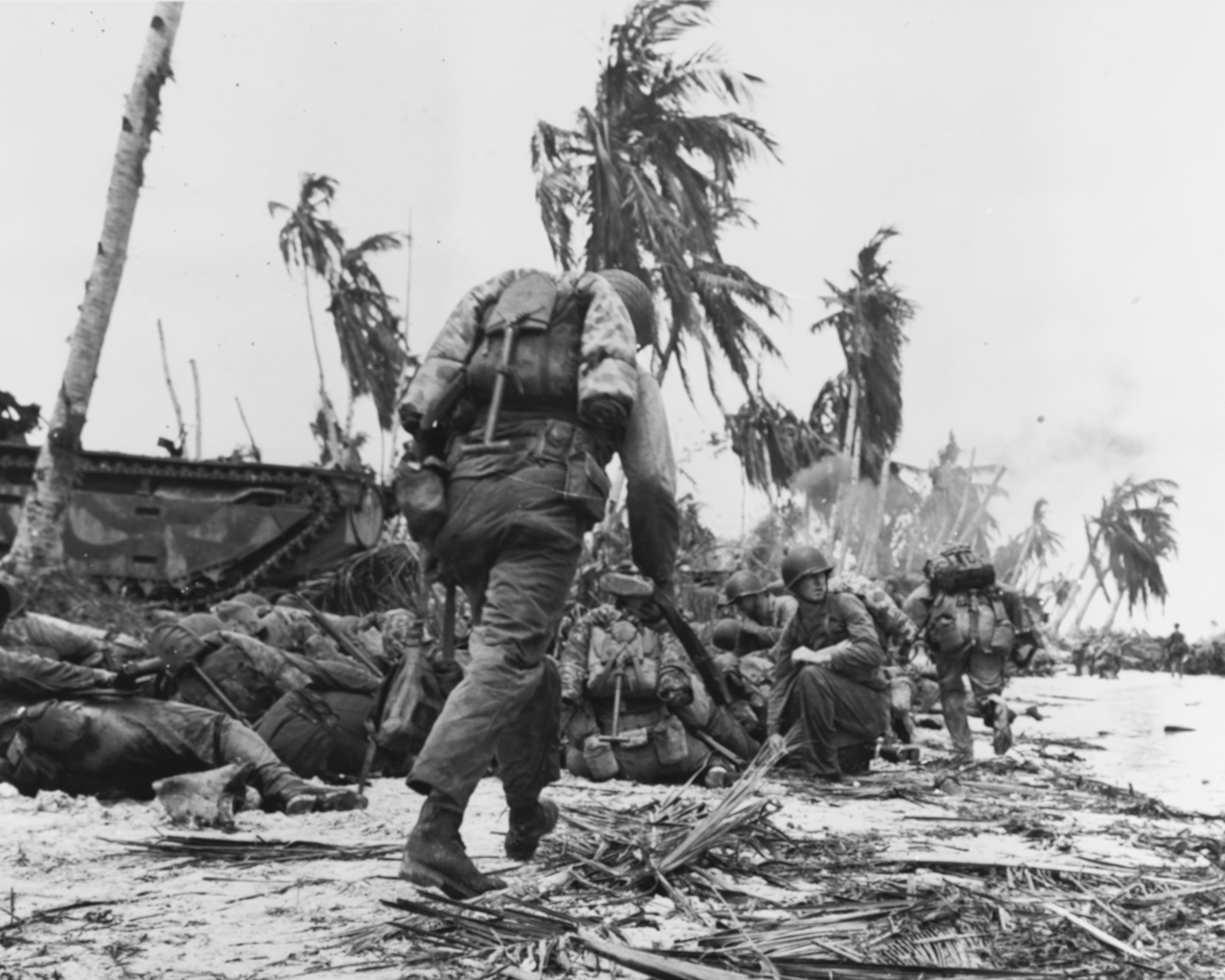
The spirit of the Chamorro people, however, remained unbroken. Their resilience was a silent defiance against the occupation. On July 21, 1944, American forces returned, launching a fierce campaign to liberate the island. The ensuing battles, fought across Guam's beaches, jungles, and hillsides, were brutal and costly, but ultimately led to the island's hard-won freedom. The War In The Pacific National Park serves as a vital custodian of these memories, ensuring that the stories of occupation, liberation, and the indomitable human spirit are never forgotten. To truly appreciate the depth of Guam's WWII narrative, delving into Guam's WWII Story: Reliving History at War in the Pacific Park offers further insights.
Discovering the Park's Unique Units and Historic Sites
The War In The Pacific National Park is not a single contiguous area but a network of sites spread across Guam, each preserving a piece of the island's wartime past. These units encompass former battlefields, well-preserved gun emplacements, intricate trench systems, hidden caves, and various historic structures that bear witness to the intensity of the conflict.
- T. Stell Newman Visitor Center: Your journey typically begins at the visitor center, located in Santa Rita, just outside Naval Base Guam. This is an essential first stop to gain context and guidance. Inside, exhibits tell the story of the Pacific War, and outside, visitors can marvel at the striking Ha. 62-76 Japanese Midget Attack Submarine, a National Register of Historic Places (NRHP)-listed item, offering a tangible link to the naval warfare of the era. The main Park Headquarters, where administrative functions are handled, is situated in Hagåtña.
- Asan Invasion Beach Unit: Among the most significant units are those related to the American invasions around the Orote Peninsula in 1944. The Asan Invasion Beach unit, stretching from Adelup Point to Asan Point and its surrounding waters, is a focal point. Asan Invasion Beach itself is an NRHP-listed asset, dotted with numerous Japanese pillboxes, caves, and tunnels used for defense. Here, visitors can walk the same sands where brave soldiers landed and imagine the fierce resistance they faced. The unit also features the Liberator's Memorial, erected on the 50th anniversary of Guam's liberation, and two monuments honoring Apolinario Mabini, a Filipino revolutionary hero, symbolizing the shared struggles for freedom in the Pacific.
- Other Northern Invasion Units: The park comprises four distinct units tied to the northern invasion beach, each offering specific historical perspectives and remnants of fortifications. Exploring these scattered sites provides a holistic understanding of the strategic challenges and fierce combat that characterized the liberation.
Adding to its historical prominence, the War In The Pacific National Park was also featured on the Washington Quarter in 2019 as part of the America the Beautiful Quarters Series, solidifying its place in national recognition.
Beyond Battlefields: Experiencing History and Culture
Visiting the War In The Pacific National Park offers more than just a history lesson; it's an experience that fosters reflection and understanding. Walking through the actual battlegrounds, peering into a Japanese cave, or standing beside an American gun emplacement brings the past to life in a way textbooks cannot. The park's interpretive programs and signage do an excellent job of contextualizing these remnants, sharing both the military narratives and the profound impact on the local Chamorro population.
One of the park's most powerful messages is its unique dedication to honoring *all* participants. This inclusive approach encourages visitors to look beyond nationalistic perspectives and grasp the universal tragedy and heroism found on all sides of the conflict. It emphasizes shared humanity and the desire for peace. This unique philosophy is further explored in Honoring All Heroes: The Pacific War's Legacy in Guam's Park, highlighting the comprehensive nature of its memorialization.
Practical Tips for Your Visit:
- Start at the Visitor Center: Always begin at the T. Stell Newman Visitor Center for maps, brochures, and up-to-date information on site accessibility and ranger programs.
- Plan Your Route: Given the park's multi-unit nature, plan your visit to maximize your time. Decide which sites are most important to you and group them geographically.
- Dress Appropriately: Guam is tropical. Wear light, breathable clothing, comfortable walking shoes, a hat, and plenty of sunscreen. Bring insect repellent for jungle-covered areas.
- Stay Hydrated: Carry ample water, especially when exploring trails and outdoor historical sites where facilities might be limited.
- Respect the Sites: These are sacred grounds of remembrance. Do not disturb artifacts, climb on historical structures, or litter. Stay on marked trails for safety and preservation.
- Consider a Guided Tour: A ranger-led tour can provide invaluable insights and bring the stories of the sites to life with expert commentary.
Conclusion
The War In The Pacific National Park is an irreplaceable national treasure, a vital guardian of World War II history in the Pacific. It's a place where the echoes of battle meet the serene beauty of a tropical island, creating a powerful contrast that compels visitors to reflect on the immense costs of war and the enduring quest for peace. By preserving these battlefields, artifacts, and stories, the park ensures that the courage, sacrifice, and suffering of all those affected by the Pacific Theater campaigns are remembered for generations to come. A visit to this extraordinary park is more than just a historical excursion; it's an opportunity to connect with a profound human story and to understand the spirit, dignity, and bravery that endured amidst a world at war.